Ask the learning lab instructor for hands on practice with this equipment!
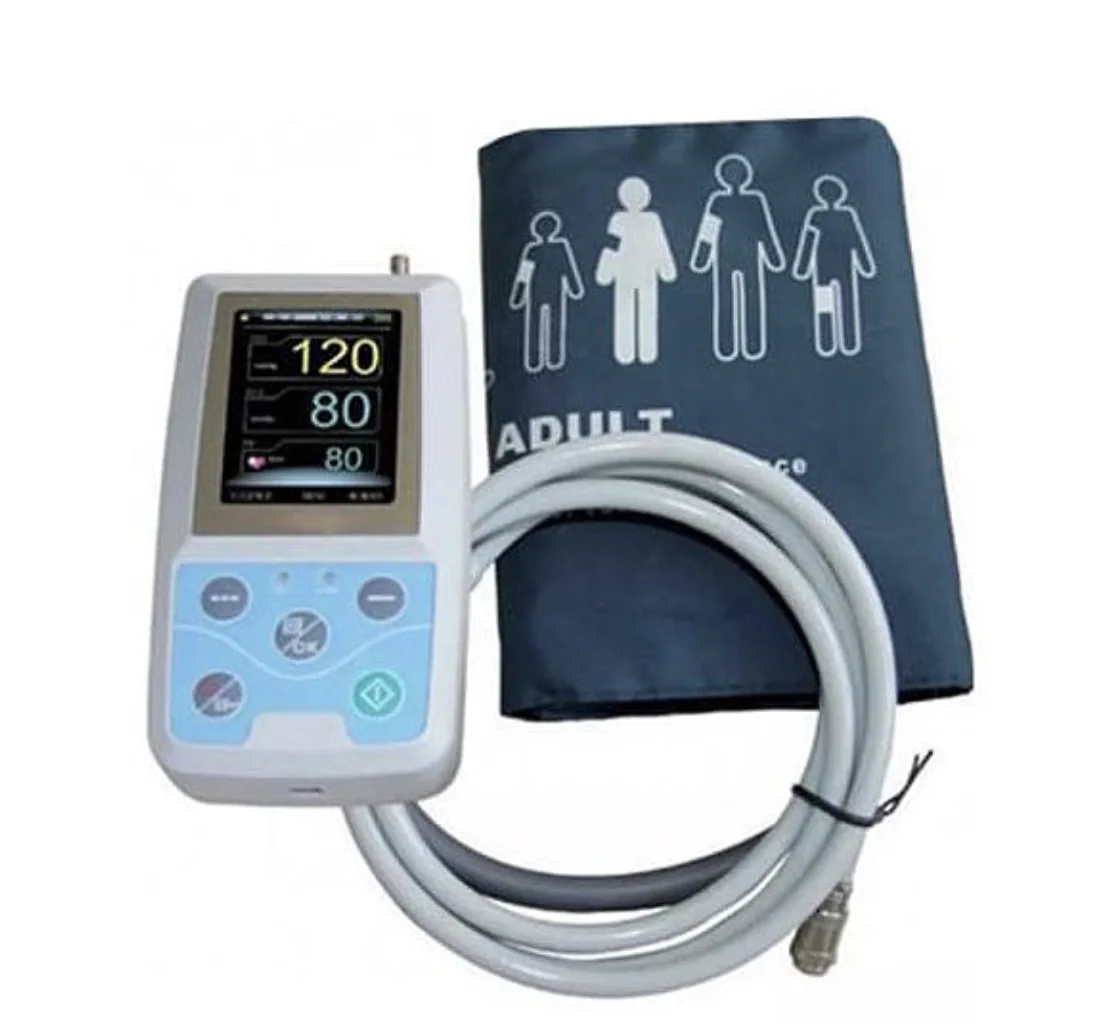
ambulatory blood pressure monitor
ABPM records a patient’s blood pressure over 24–48 hours, capturing readings during normal daily activities and sleep. It provides a more accurate picture than single readings in the clinic, helping nurses and providers identify white coat syndrome, masked hypertension, and nocturnal hypertension. With hypertension being a leading risk factor for cardiovascular disease, ABPM is becoming a gold standard for diagnosis and management. Nurses use this data to tailor interventions and educate patients on lifestyle modifications.
how to use
To turn on captions: Start the video, then select the CC button in the player controls. If the CC button is unavailable, captions have not been provided for that video; contact the RCC Simulation Lab to request an accessible transcript or equivalent alternative.
health context
To turn on captions: Start the video, then select the CC button in the player controls. If the CC button is unavailable, captions have not been provided for that video; contact the RCC Simulation Lab to request an accessible transcript or equivalent alternative.
Interactive case study
A Watchful Eye: 24-Hour BP Monitoring
Help Ms. Rivera navigate her ambulatory BP monitoring experience.
- Decision 1: not started
- Decision 2: not started
- Decision 3: not started
- Decision 4: not started
- Decision 5: not started
Intro
Meet Your Patient
You’re caring for Ms. Rivera, a 52-year-old with recently diagnosed stage 1 hypertension. Her clinic BP readings vary widely, and her provider suspects white coat hypertension.
Ms. Rivera says: "Why do I have to wear this thing all day? Can’t you just take it here?"
You know ABPM provides insights into daytime and nighttime BP patterns, helping tailor treatment.