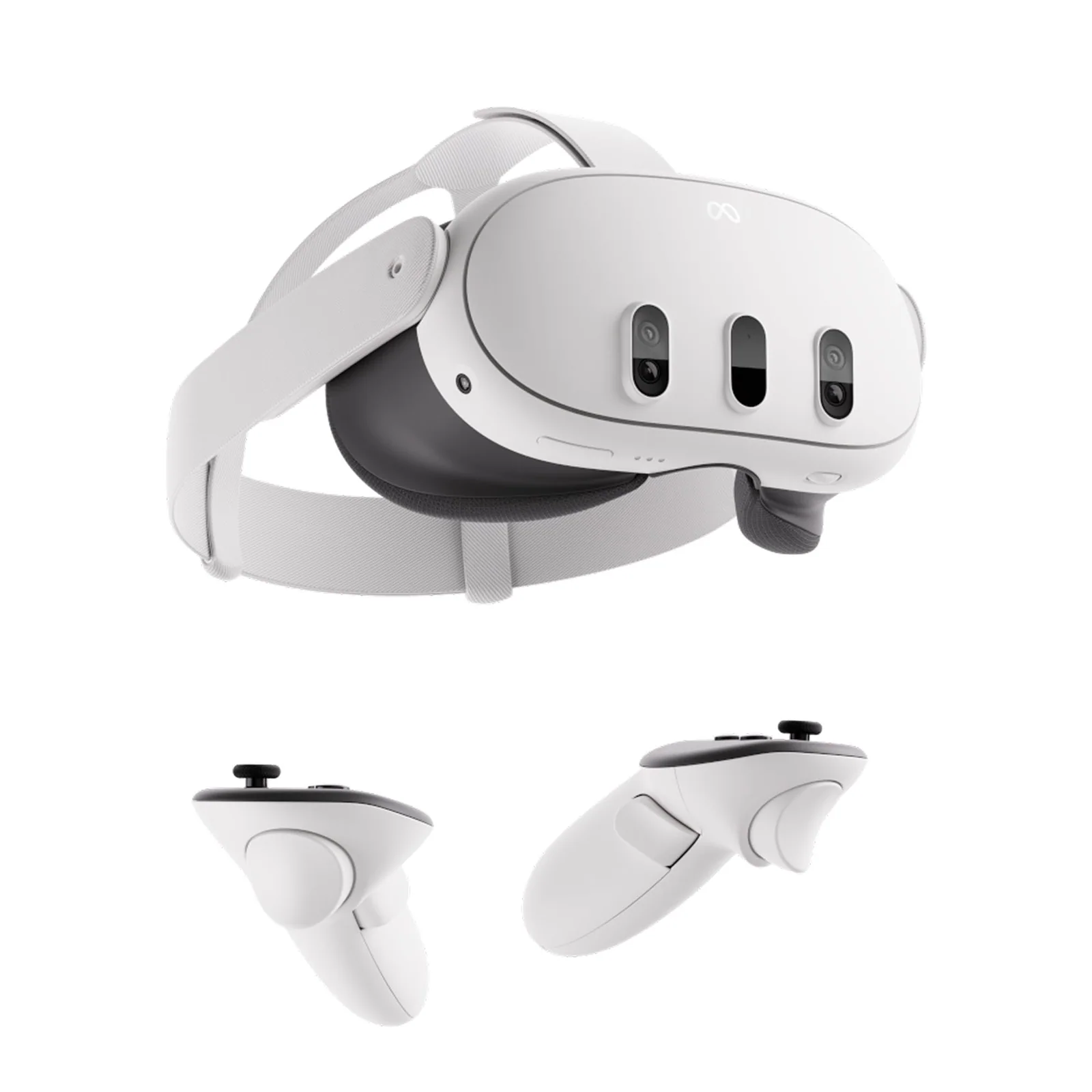
Ask the learning lab instructor for hands on practice with this equipment! (Requires to sign in/out equipment)
virtual reality
VR is changing the way nurses learn and patients heal. In nursing education, immersive VR simulations allow students to practice skills and critical thinking in lifelike scenarios without risk to patients. Clinically, VR is being used for patient education, anxiety reduction during procedures, and pain management in settings like burn units. As healthcare embraces simulation and digital therapeutics, VR equips nurses with the confidence and competence to care for complex patient needs.
Ask your instructor for the OMS VR login.
Ask your instructor for the Body Swaps login.
how to use
To turn on captions: Start the video, then select the CC button in the player controls. If the CC button is unavailable, captions have not been provided for that video; contact the RCC Simulation Lab to request an accessible transcript or equivalent alternative.
health context
Oxford Medical Simulation
Oxford Medical Simulation lets you step into lifelike patient care scenarios without leaving your home. With OMS, you can practice clinical judgment, communication, and decision-making in a safe, immersive environment where mistakes become powerful learning opportunities. It’s like running real codes or patient assessments, but with the freedom to pause, reflect, and try again, helping you build confidence before you ever step onto the floor.
To turn on captions: Start the video, then select the CC button in the player controls. If the CC button is unavailable, captions have not been provided for that video; contact the RCC Simulation Lab to request an accessible transcript or equivalent alternative.
Body Swaps
Bodyswaps transforms the way you prepare for nursing job interviews by letting you practice tough conversations in a realistic virtual setting. Through roleplay, you’ll learn how to answer common questions, refine your body language, and get constructive feedback, so you can walk into your interview feeling confident and prepared. It’s a safe space to practice advocating for yourself and showcasing your unique strengths as a future nurse.
To turn on captions: Start the video, then select the CC button in the player controls. If the CC button is unavailable, captions have not been provided for that video; contact the RCC Simulation Lab to request an accessible transcript or equivalent alternative.
Interactive case study
A Watchful Eye: VR in Nursing Education
Help Lisa navigate virtual reality tools to prepare for her NCLEX and career.
- Decision 1: not started
- Decision 2: not started
- Decision 3: not started
- Decision 4: not started
- Decision 5: not started
Intro
Meet Your Student
You’re mentoring Lisa, a final-semester nursing student preparing for the NCLEX and job interviews. She’s been offered access to Oxford Medical Simulation (OMS) for clinical scenarios and BodySwaps for professional skills practice.
Lisa says: "I’ve never used VR before. Does it really help? I feel silly wearing a headset."
As her mentor, you know VR can build clinical judgment and soft skills but also recognize it comes with a learning curve.