Ask the learning lab instructor for hands on practice with this equipment!
android wearos
(galaxy watch)
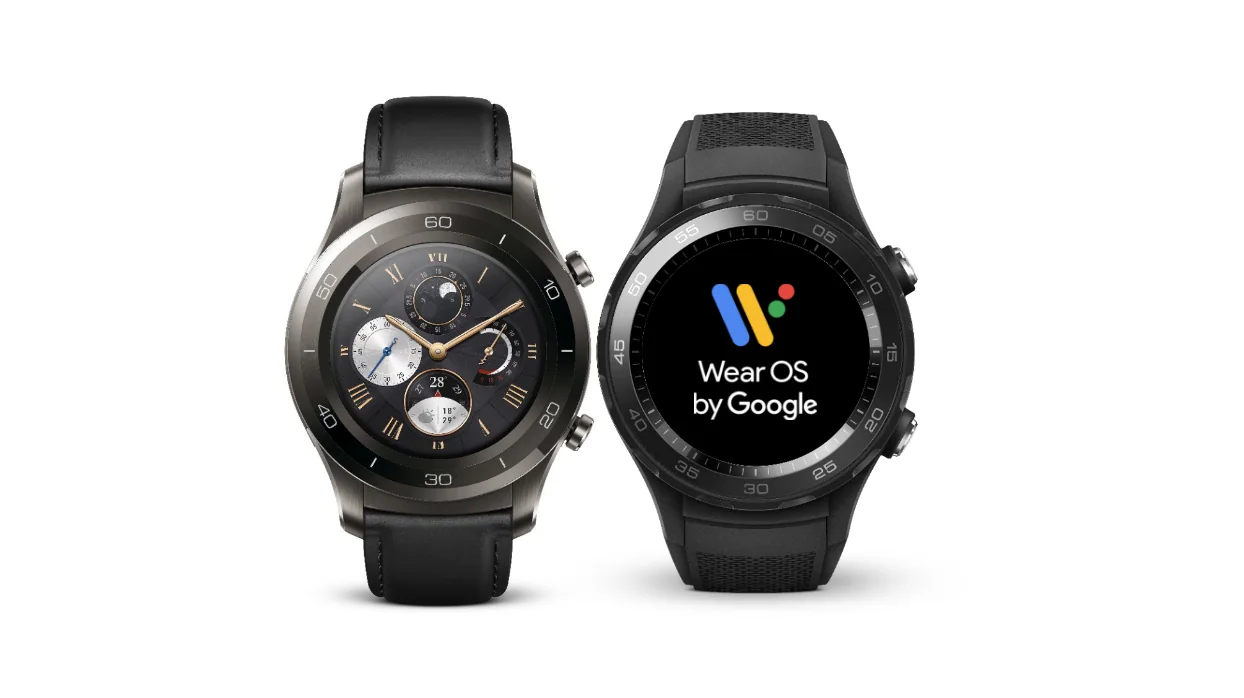
Wear OS smartwatches provide similar health-tracking capabilities as the Apple Watch but in a platform-agnostic way for patients using Android devices. Features like heart rate monitoring, fitness tracking, and integration with Google Fit and third-party health apps are becoming valuable in chronic disease management. Nurses can guide patients on using these tools to monitor their health and stay adherent to exercise and medication routines. In diverse populations where Android devices dominate, Wear OS technology expands the accessibility of wearable health monitoring.
how to use
To turn on captions: Start the video, then select the CC button in the player controls. If the CC button is unavailable, captions have not been provided for that video; contact the RCC Simulation Lab to request an accessible transcript or equivalent alternative.
health context
To turn on captions: Start the video, then select the CC button in the player controls. If the CC button is unavailable, captions have not been provided for that video; contact the RCC Simulation Lab to request an accessible transcript or equivalent alternative.
Interactive case study
A Watchful Eye: Galaxy Watch in Nursing Care
Help Mr. Carter use his Galaxy Watch effectively for hypertension and stress management.
- Decision 1: not started
- Decision 2: not started
- Decision 3: not started
- Decision 4: not started
- Decision 5: not started
Intro
Meet Your Patient
You’re assigned to Mr. Carter, a 58-year-old with hypertension, obesity, and a history of stress-related insomnia. He recently had a syncopal episode at home.
Mr. Carter says: "My doctor said I should try a Galaxy Watch for health monitoring. I’m not sure what to expect."
You know Galaxy Watch offers ECG, BP monitoring (with calibration), sleep and stress tracking, and fall detection.